
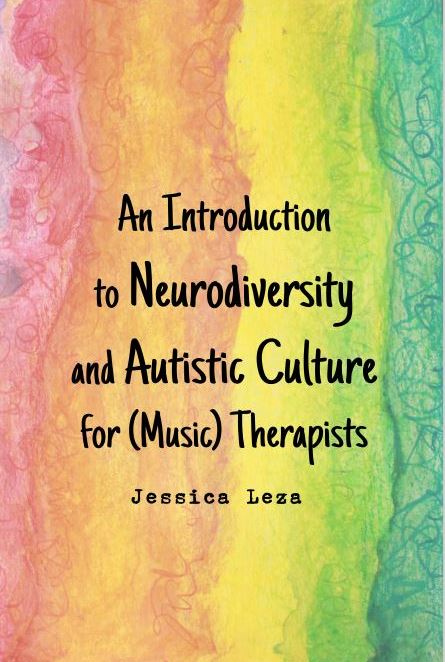
An Introduction to Music Therapy and Autistic Culture for (Music) Therapists
by Jessica Leza (2023)
Available as an eBook ($34.99) and 359-page mass market trade paperback ($45.99) through the La Migdalia Etsy storefront:
ISBN 979-8-218-22073-0
Explore Autistic culture and the neurodiversity movement, and translate this cultural knowledge into clinical insights and ethical practices in music therapy research. While this text is written by a board-certified music therapist, for music therapists, it is also relevant to other therapists, social workers, educators, caregivers, and curious laypeople.
Focusing on Autistic culture corrects for the epistemic injustice historically leveraged against Autistic people.Begin with terminology and basic cultural concepts (including perspectives on disability, identity-first language, and functioning labels) before moving to symbols, organizations, and holidays. Consider issues in therapy like compliance, masking, monotropism, diagnosis, and co-occurring mental health conditions.
Pursue functional and appropriate goals by examining topics in socio-emotional, sensory-motor, and communication skills. Acknowledge Autistic identity as intersectional by investigating how gender and sexuality, race, religion, age, and family status interact with Autistic neurotype. The final chapters provide practical tips for researchers and clinicians who seek to create Autistic spaces.
Add this to your goodreads “to read” pile here:
Citation:
Leza, J. (2023). Introduction to Neurodiversity and Autistic Culture for Music Therapists. La Migdalia Press.
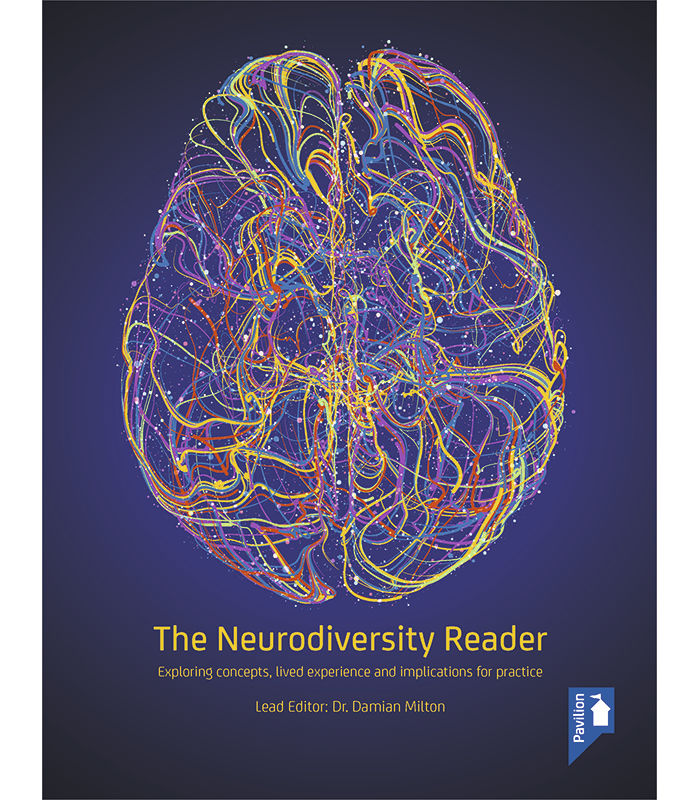
The Neurodiversity Reader: Exploring Concepts, Lived Experience, & Implications for Practice
Lead Editor: Dr. Damian Milton (2020)
Chapter 20, by Jessica Leza (pp. 210-225)
Neuroqueering music therapy: Observations on the current state of neurodiversity in music therapy practice
This chapter includes an introduction to music therapy and brief overview of the history of neurodiversity within the music therapy profession, then explores what it might look like to neuroqueer music therapy. This theoretical exploration draws on the work of neurodiversity scholars and Autistic activist authors like Nick Walker and Maxfield Sparrow, as well as the personal lived experience and clinical experience of the author.
Citation:
Leza, J. (2020). Neuroqueering music therapy: Observations on the current state of neurodiversity in music therapy practice. In D. Milton (Ed.) The Neurodiversity Reader: Exploring concepts, key experience, and implications for practice. Pavilion Publishing.

Sociocultural Identities in Music Therapy
Edited by Susan Hadley (2021)
Chapter 12, by Jessica Leza (pp. 269-292)
“El Closet es Para el Ropa…”: Music Therapist, Coming “Aut”
Author Jessica Leza reflects on her sociocultural identity, including gender, race and ethnicity, and disability, and how these issues have occured in her clinical practice as a therapist.
Available here: https://www.barcelonapublishers.com/Sociocultural_Identitites_In_Music_Therapy
Add it to your Goodreads “to read” pile here.
Citation:
Leza, J. (2021). “El closet es para él ropa…”: Music therapist, coming ‘aut’. In S. Hadley (Ed.) The Sociocultural Identities of Music Therapists: Examples and Implications. Barcelona Publishers.
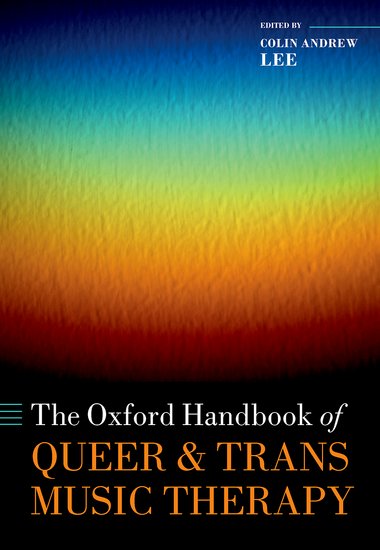
The Oxford Handbook of Queer and Trans Music Therapy
Edited by Colin Andrew Lee (2024)
Chapter 21, by Maren Metell & Jessica Leza (pp. 370-385)
Exploring queer theory as a framework for anti-oppressive music therapy practice
Chapter 22, by Jessica Leza (pp. 386-406)
Recognizing Trans Autistic Identities in Music Therapy Spaces
Available as a hardback book here: https://global.oup.com/academic/product/the-oxford-handbook-of-queer-and-trans-music-therapy-9780192898364
Chapter 21, Exploring queer theory as a framework for anti-oppressive music therapy practice
Queer theories, in particular neuroqueer theory, challenge normative and exclusionary approaches and perspectives. This chapter considers how queer theories both interrogate and contribute to music therapy as an anti-oppressive practice in the context of neurodivergent children and youth. It explores multiple perspectives and concepts within queer theories and their affordances for thinking around music therapy theory and practice. These concepts are reflected in our own music therapy practices with neurodivergent children and youth. The implications of these connections are discussed and considered for the development of queer theory-informed anti-oppressive practice. We argue that queer theories challenge music therapists to constantly re-examine assumptions and preconceived notions and to embrace anti-oppressive music therapy as a constantly evolving practice of collaborative learning from and with music therapy participants. Queer theories offer a frame for anti-oppressive music therapy that speaks to the importance of fostering resistance and challenging power and the need and potential for the development of practice and theory.
Chapter 22, Recognizing Trans Autistic Identities in Music Therapy Spaces
This chapter introduces core topics and essential questions that emerge at the intersection of autistic neurotype and LGBTQIA+ identity. Autistic people have minority gender identity and/or sexual orientation more often than allistic (non-autistic) people, and LGBTQIA+ people have been shown to have higher rates of autistic characteristics than cisgender, heterosexual people. Many autistic people understand their gender identity and/or sexual orientation as uniquely connected to their autistic neurotype. These unique experiences of gender, sexuality, and neurodivergence bring unique needs into music therapy spaces. This chapter fills in the historical context, similarities and differences in allistic and autistic LGBTQIA+ experience, and implications and essential questions for music therapists. In accordance with autistic cultural standards such as ‘nothing about us, without us’, the neuroqueer author uses identity-first language and centres the expertise of LGBTQIA+ autistic people.
Citations:
Leza, J. (2023). Recognizing Trans Autistic Identities in Music Therapy Spaces. In C. Lee (Ed.) Oxford Handbook of Queer/Trans Music Therapy. Oxford.
Available in electronic form from Oxford. Add it to your Goodreads “to read” pile here.
Metell, M., & Leza, J. (2023). Exploring queer theory as a framework for anti-oppressive music therapy practice. In C. Lee (Ed.) Oxford Handbook of Queer/Trans Music Therapy. Oxford.
Available in electronic form from Oxford. Add it to your Goodreads “to read” pile here.
Essays
Also available on Patreon: https://www.patreon.com/jessicaleza
On Silence
Neurodivergent reflections on the role of silence in Music Therapy
“Doing the Gratitudes”
Dismantling Anglo-centric assumptions of the universal utility of gratitude
“Autism and the Iso Principle”
Considering autistic sensory processing and habituation
“A Tale of Two March Firsts”
Content note: This article includes discussion of murder/filicide and ableism.
Valorizing music therapists on the Disability Day of Mourning
February 25, 2021
Performance Art / Theatrical Works
“Goal: Increase Communication Skills (Hell is Other People)”
A one-act play about communication difficulties, published by The Aspergian.
Poetry
“They Called Me a Vulture”
Standing up for survivors of sexual assault and abuse, published by The Aspergian.
Commercial use, reproduction/copying of content, scraping content, or using the original works and content on this website for machine learning or AI training is strictly prohibited.